Source e bike frame Options for Road, Urban, and Cargo Use
Source 30 e bike frame models from China with carbon fiber construction, 48V lithium batteries, and hydraulic disc brakes. Compare specifications including motor power, torque, and wheel sizes to find the right fit for your needs; compare the available evidence and request quotations based on your requirements.
Key considerations
Products List






Comprehensive Sourcing Guide
E Bike Frame Sourcing Guide
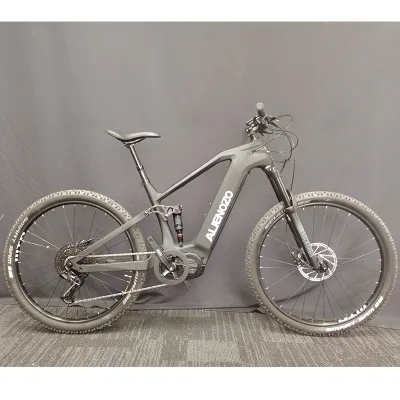
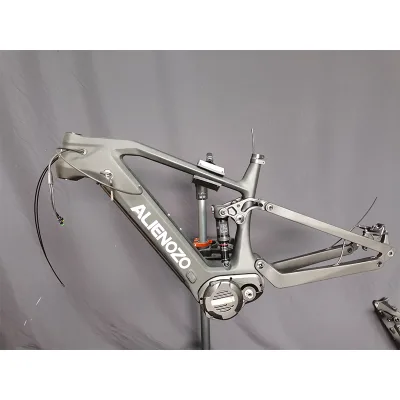
Buyers evaluating carbon fiber e-bike frames must first distinguish between high-performance road configurations and general utility designs. The observed market data indicates a strong presence of models featuring 48V battery systems paired with central motors, suggesting a focus on balanced weight distribution and efficient power delivery. Sourcing decisions should prioritize frames that explicitly list carbon fiber construction, as this material offers superior stiffness-to-weight ratios essential for maintaining speed and handling in electric applications.
Procurement teams should also scrutinize the specific battery capacity and motor power ratings to ensure alignment with intended use cases. Listings reveal a wide variance in battery options, ranging from 10.5Ah to 21Ah, which directly impacts the achievable range per charge. Buyers must verify that the frame geometry accommodates the selected battery position, typically the down tube, while ensuring the structural integrity can support the torque output of motors exceeding 100 Nm without compromising safety or longevity.
Product Scope and Observed Listing Signals
The current market for electric bike frames demonstrates significant diversity in wheel sizes and tire specifications, catering to both road and mixed-terrain requirements. Observed listings include frames designed for 27.5-inch wheels with wider 2.6-inch tires, as well as configurations supporting 29-inch or 28-inch wheels with narrower profiles. This variation allows buyers to select a frame that matches specific terrain demands, whether prioritizing agility on paved surfaces or stability on rougher paths.
Commercial signals indicate that many suppliers offer these frames with a minimum order quantity of just one piece, facilitating low-risk sampling for new buyers. However, the single package dimensions and gross weights vary considerably, with some units weighing up to 18 kg while others are lighter. Buyers must account for these logistical differences when calculating shipping costs and warehouse storage requirements, ensuring the selected frame size fits within their distribution constraints.
Technical Specifications to Verify
When assessing technical viability, the motor placement and power output are critical determinants of ride quality and frame stress. The data highlights central motor configurations with wattages ranging from 751W to over 1000W, which necessitates a robust frame design to handle the resulting torque. Buyers should verify that the frame material, specifically carbon fiber, is rated to withstand these high-torque loads without developing fatigue cracks over time, especially given the observed torque figures exceeding 100 Nm.
Battery integration and display systems also require rigorous verification to ensure seamless operation and user experience. Listings show a mix of LCD and LED displays paired with various battery capacities, including 16.7Ah and 10.5Ah options. Procurement teams must confirm that the frame's internal routing and mounting points are compatible with the chosen battery voltage and capacity, ensuring that the charging time of over three hours is achievable and that the display provides accurate real-time data on speed and range.
Compliance and Safety Documentation
Safety compliance for electric bike frames involves verifying that the electrical components meet recognized standards for battery and motor safety. While specific certification statuses like UL 2849 or UL 2271 are noted in background contexts, buyers must explicitly request current test reports from suppliers to confirm that the lithium battery systems and motor assemblies adhere to relevant safety protocols. Relying on general claims without documented proof can expose buyers to liability risks and potential product recalls.
Documentation regarding the warranty and component lifespan is equally essential for risk management in B2B transactions. The observed warranty terms often cover the motor for one year, but buyers should clarify the coverage scope for the frame itself and the battery. Ensuring that the supplier provides clear documentation on the charging system's compatibility with 110-220V inputs and that the braking systems utilize hydraulic disc brakes is vital for meeting safety expectations in target markets.
Cost Drivers and Commercial Terms
The pricing structure for carbon fiber e-bike frames is heavily influenced by the specific battery capacity and motor power selected. Listings show a wide price range, reflecting the cost differences between lower-capacity batteries and high-performance 1000W motors. Buyers should analyze how the watt-hour rating, such as the 840Wh observed in some models, correlates with the final unit price to determine the most cost-effective configuration for their specific market segment.
Commercial terms regarding the minimum order quantity and packaging logistics play a significant role in the total cost of ownership. Although many suppliers list an MOQ of one piece, the single gross weight and package dimensions can significantly impact freight costs. Buyers must negotiate shipping terms that account for the heavy nature of these frames, ensuring that the cost per unit remains competitive when factoring in the logistics of transporting 18 kg packages over long distances.
Supplier Qualification and Quality Control
Supplier qualification should focus on verifying the manufacturing location and the consistency of their production processes. The observed data points to origins in Jiangsu and Zhejiang, China, regions known for their e-bike manufacturing ecosystems. Buyers must confirm that the supplier has established quality control measures for carbon fiber layup and welding processes, ensuring that every frame meets the specified structural requirements and surface processing modes like gloss finishes.
Quality control protocols must also extend to the integration of electronic components and the final assembly of the bike. Buyers should request evidence of pre-shipment testing for the motor, battery, and braking systems to ensure they function correctly under load. Verifying that the supplier offers OEM logo customization and maintains consistent color options, such as black or light grey, helps ensure that the final product aligns with the buyer's brand identity and market expectations.
Long-Term Procurement Checks
Sustaining a successful supply chain requires regular audits of the supplier's ability to maintain consistent product specifications over time. Buyers should monitor the stability of key attributes like the 48V voltage system and the 12-speed gear configurations to ensure that future orders match the initial samples. Any deviation in these core specifications could indicate a shift in manufacturing partners or materials, which might compromise the performance and reliability of the e-bike frames.
Long-term checks must also include an evaluation of the supplier's responsiveness to warranty claims and after-sales support. Given the one-year motor warranty observed in the market, buyers need to establish clear protocols for handling defects or failures that occur after the initial sales period. Maintaining open communication channels and reviewing supplier performance metrics regularly will help mitigate risks and ensure a reliable supply of high-quality carbon fiber e-bike frames for ongoing business needs.
FAQs
What is the maximum speed of this e bike frame?
The maximum speed exceeds 50 kilometers per hour, with observed ranges between 45 and 60 km/h. This performance is supported by a 1000W central motor and a 48V battery system designed for high-speed road cycling applications.
Which battery capacity options are available for this model?
Available battery capacities include 13Ah, 16Ah, 17.5Ah, 15.6Ah, and 21Ah variants. Specific listings also show 16.7Ah and 10.5Ah options, all operating at 48V voltage to provide a range between 31 and 60 kilometers per charge.
Can I customize the logo on the e bike frame?
Yes, OEM logo customization is available for this product. The frame features a glossy surface processing mode and comes in colors like black or light grey, allowing buyers to brand the unit according to their specific business requirements.
What is the minimum order quantity for this frame?
The minimum order quantity is one piece, allowing for single-item purchases. This low MOQ facilitates testing or small-scale procurement without requiring bulk commitments, making it accessible for various buyer needs and inventory strategies.
How long does it take to charge the battery fully?
Charging the battery requires more than three hours to reach full capacity. The system utilizes a 48V 3A charger compatible with 110-220V power supplies, ensuring safe and efficient recharging for the lithium battery pack.
Which gear system is integrated into this e bike frame?
This frame is equipped with a 12-speed gear system for versatile riding. It pairs with hydraulic disc brakes and carbon fiber construction to deliver reliable performance across different terrains while maintaining a lightweight and durable structure.